

2026毕业季丨风起波澜:ANNABEL LEONARDI 篇


【ANNABEL LEONARDI】
经管学院
Q1:You mentioned that you were "a completely different person" compared to before university. What was the turning point that led to this transformation, and what unexpected gains did it bring you?
Throughout high school, I did not take on any formal leadership roles, as my life revolved solely around academic study and guitar competitions. Upon entering university, I began receiving recruitment emails from various campus organisations and decided to step out of my comfort zone to participate. My father also encouraged me to diversify my campus experience rather than focusing merely on academics, advising me to explore new fields and build social connections. These thoughts motivated me to embrace new opportunities.
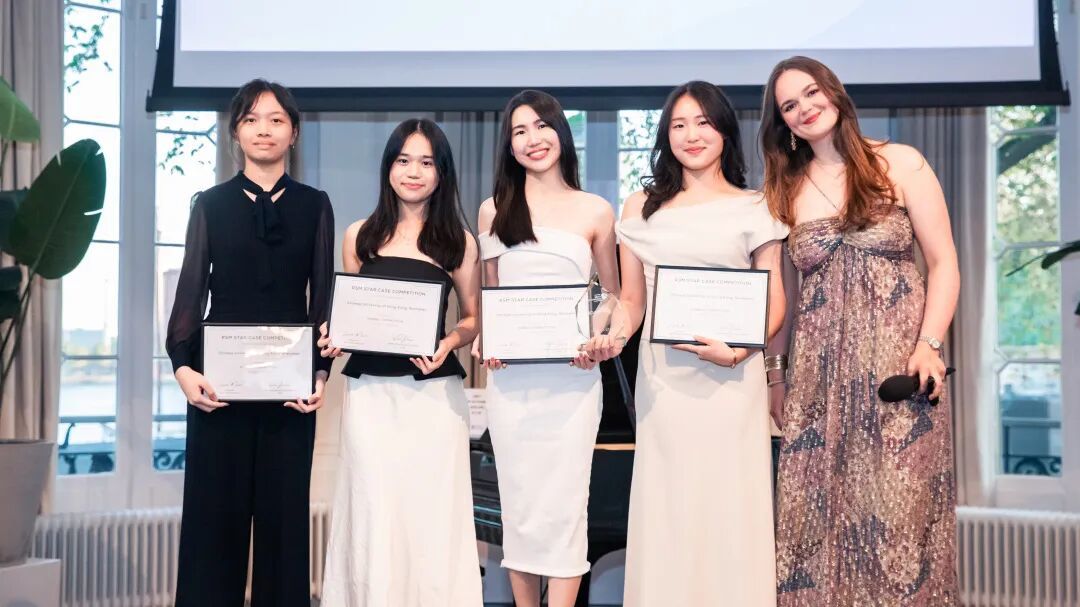
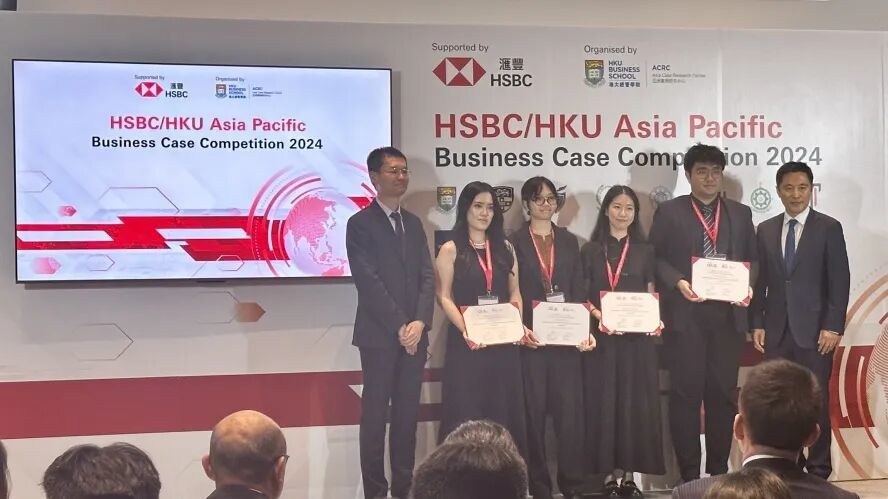
The most unexpected gains have come from meaningful friendships. In the ISA (International Students’ Association), I connected with numerous driven and ambitious peers who actively explored diverse possibilities. Their proactive mindset greatly influenced my personal growth. Additionally, competitions allowed me to engage with students from other institutions and learn from their unique experiences. These valuable social connections have broadened my horizons and unlocked countless unseen opportunities.
Q2:You not only loved music yourself but also integrated this passion into teaching and volunteer work. What motivated you to bring music to children in mountainous areas, and which moment made you feel "it was all worth it"?
After entering university, I joined a few music groups, including the university’s Chamber Music Group and began collaborating with other musicians. I discovered that sharing music with partners and audiences brings far more joy than individual performance.
I also learned about the volunteer recruitment programme of Shimmer (微光公益). Driven by my affection for children and my passion for music education, I signed up for the volunteer work. And this experience has been incredibly rewarding. The children I taught were highly passionate and proactive in learning. We built intimate and heartfelt bonds with them during the programme. I specifically coached three children for a storybook competition, witnessing their remarkable progress from the start of the training to the official competition. Observing such tangible progress in young learners filled me with immense warmth and a profound sense of accomplishment.
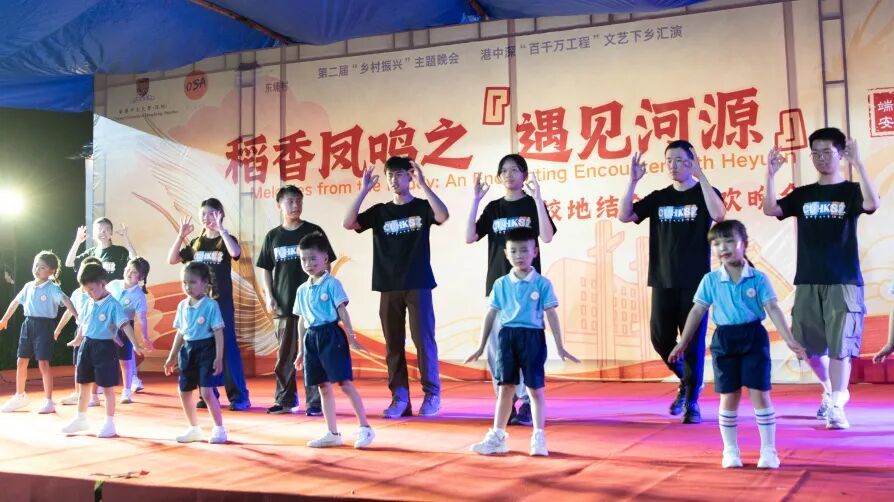
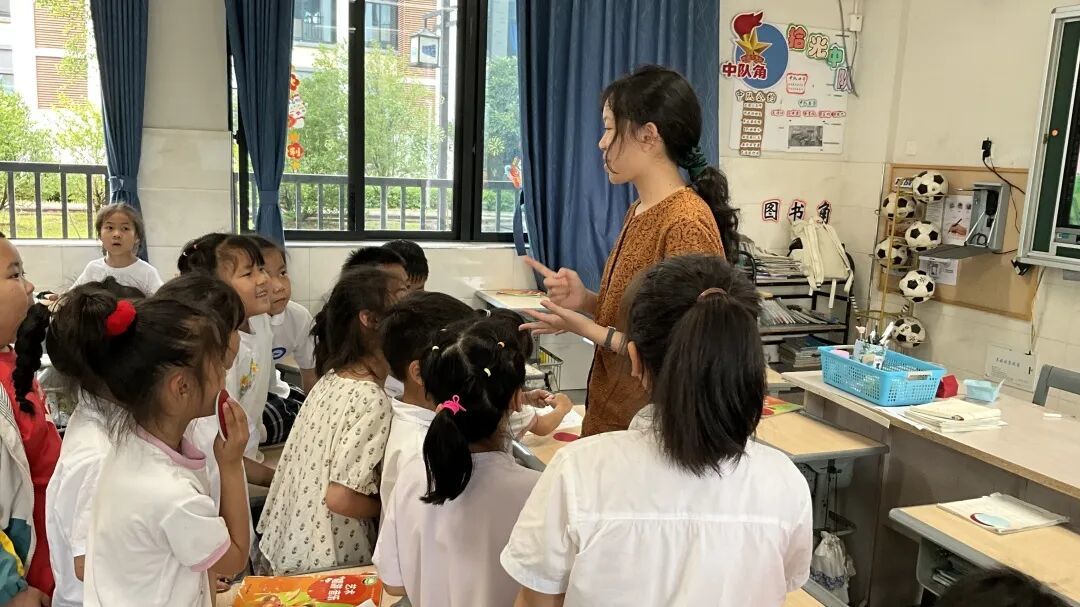
I believe altruism is an innate human quality. It is widely acknowledged that assisting others can effectively alleviate negative emotions and confusion. In my perspective, helping others enables people to gain a strong sense of pride and joy. And I found that this is really how I feel.
Q3:As an international student, what challenging moments did you face while adapting to China's education system and cultural environment, and how did you overcome them?
My first year of university was considerably challenging. During the pre-university summer term, I enrolled in a pre-calculus course and was overwhelmed by the intensive daily homework and frequent examinations. Owing to immense internal pressure, I experienced a medical emergency before the final exam, missing that initial assessment. I also faced difficulties adapting to dormitory life, as I had always lived independently with a well-organised personal living space before coming to university.
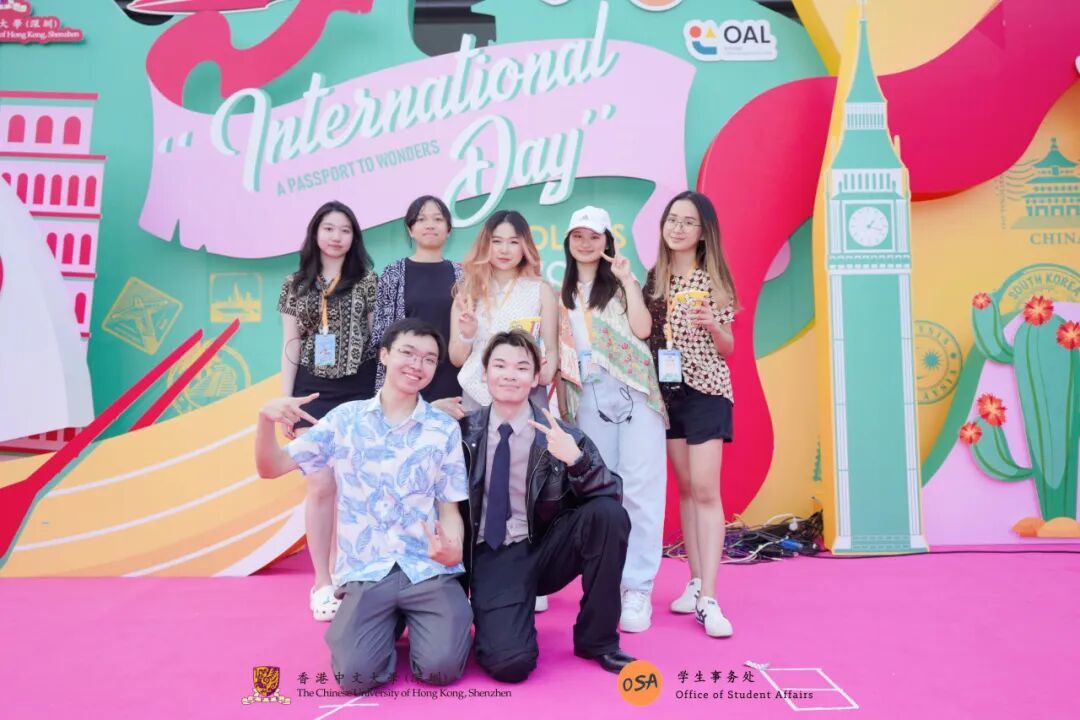
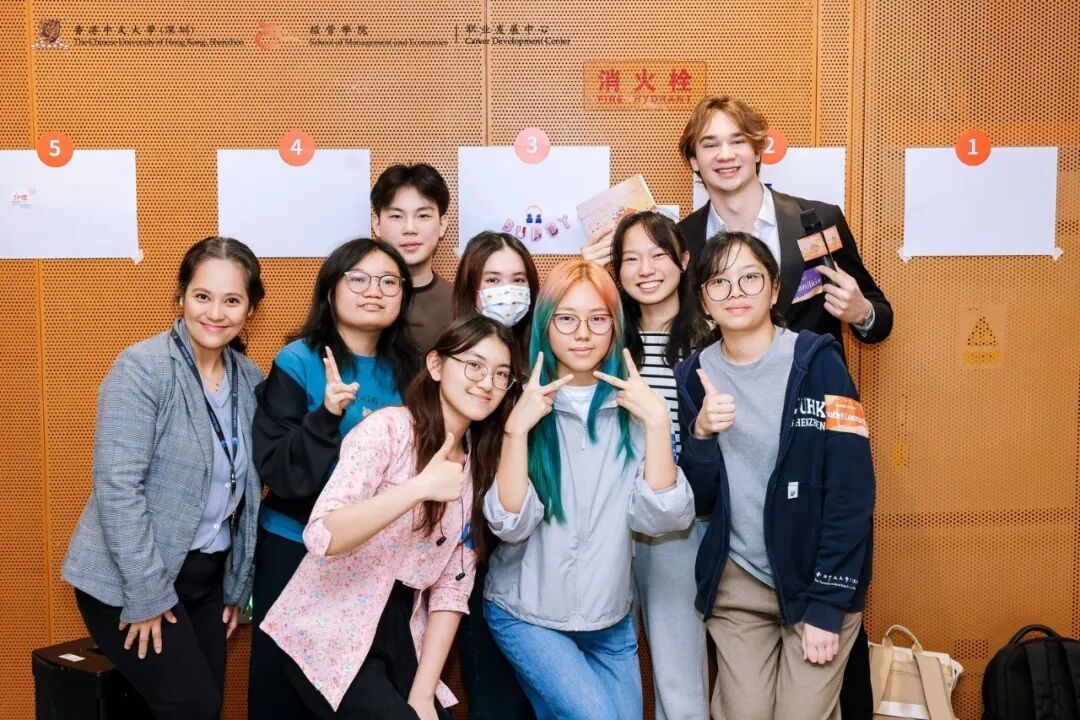
I gradually adapted to this new lifestyle by the end of my first semester. Collaborating with peers on academic assignments greatly facilitated my adaptation process. Most importantly, perseverance (弘毅) enabled me to overcome successive challenges and settle into campus life steadily. According to the acting master of Harmonia College, perseverance stands as the most essential quality for students of the college. This virtue has sustained me through moments of self-doubt and uncertainty regarding my campus journey.
Q4:For other international students and future Harmonia freshmen, what concrete advice do you have to help them take the first step and find their own passions?
I encourage new international students and incoming Harmonia freshmen to actively explore campus resources. The university provides a wealth of events and activities, and students should seize opportunities to participate and interact with new peers. These connections may bring potential collaborative opportunities or valuable life insights that facilitate personal development.
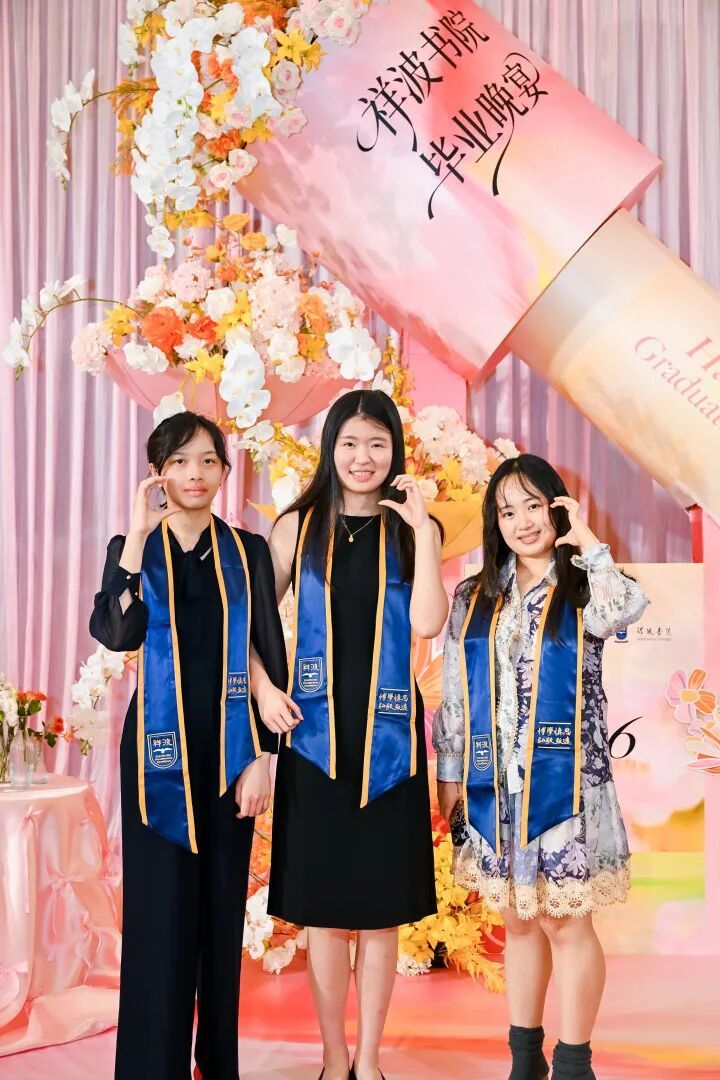
As a popular saying goes, “Action creates emotion.” Instead of lingering in hesitation, students should take the first step proactively, as consistent action will eventually make everything fall into place. By actively signing up for interested activities, engaging with new people, and bravely stepping forward, newcomers can effectively discover their personal passions.
来源:港中大(深圳)祥波书院