

国际生|马来西亚吴康栋:不必随波逐流,只需发自己的光


Sitting at his desk in Malaysia, Goh Kang Thong, a recent graduate of the School of Science and Engineering at The Chinese University of Hong Kong, Shenzhen (CUHK-Shenzhen), sketches blueprints for automation solutions destined for his employer’s manufacturing projects.
坐在马来西亚的办公桌前,香港中文大学(深圳)理工学院的应届毕业生吴康栋,正为公司的制造项目勾勒自动化方案蓝图。
As an engineer at Jabil, a global American manufacturing giant, Goh credits his time at CUHK-Shenzhen with not only sharpening his technical skills but also shaping him into a more thoughtful, self-assured individual.
作为全球制造业巨头捷普集团的工程师,康栋认为在母校的时光不仅磨炼了他的专业技能,还使他成为了一个更有思想、更自信的人。
“CUHK-Shenzhen didn’t just teach me academic knowledge,” he reflects. “It gave me space to grow, reflect, question, and follow my passions. And if you find yourself different from others, don’t be afraid. You’re not strange. You’re unique. You’re a star.”
“港中大(深圳)教给我的,不只是知识,更是我成长的空间——去思考,去质疑,去追梦。”他感慨道,“如果你发现自己与众不同,别害怕。你并不奇怪,你是独一无二的,是颗闪耀的星。”
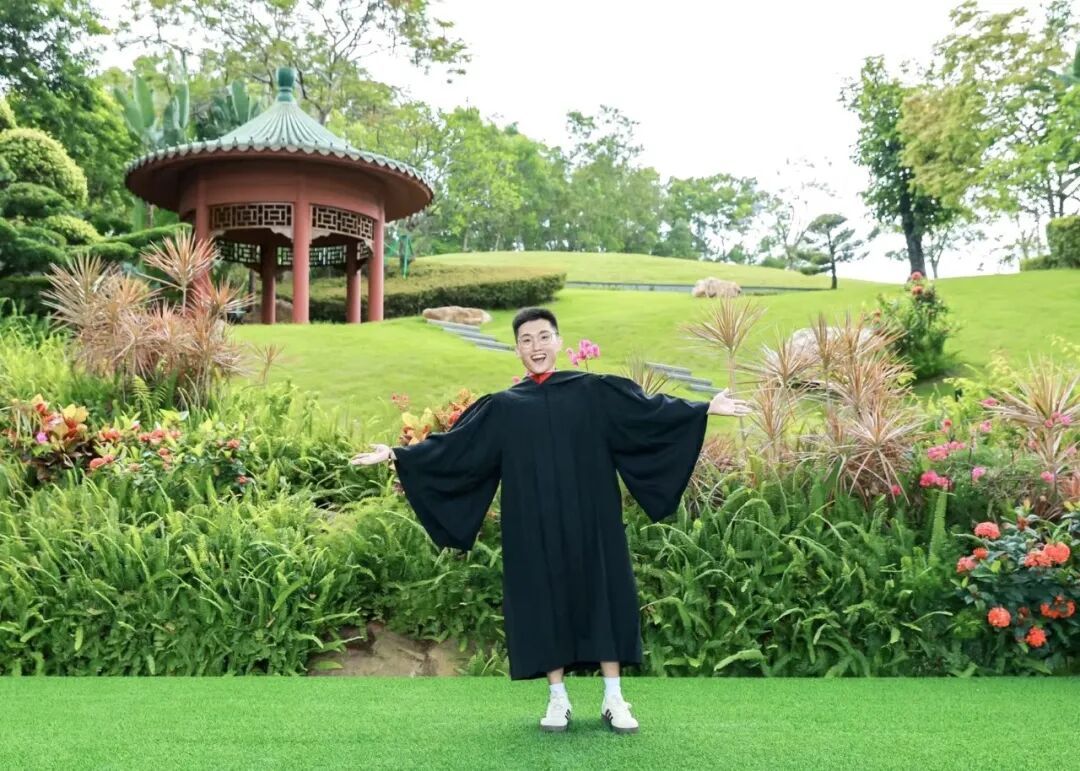
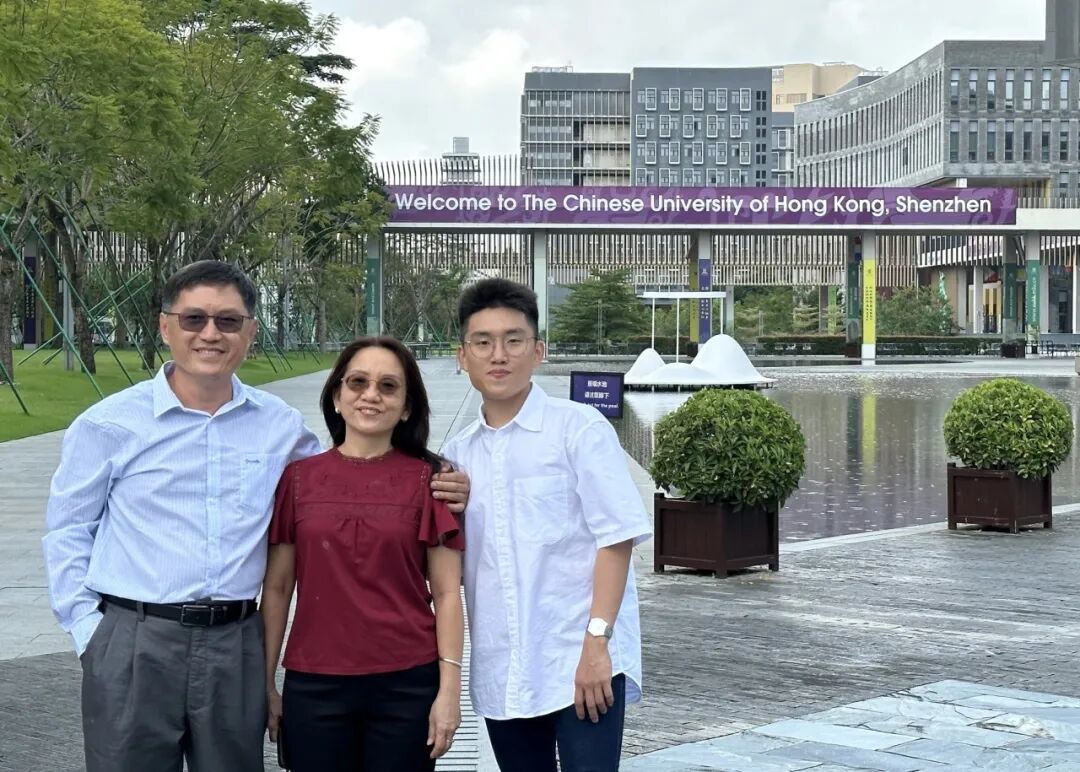
Goh, of Malaysian Chinese heritage, is one of four siblings. Influenced by his father’s firm belief that China was developing rapidly and held great promise, he and his two sisters were sent to China to pursue their undergraduate studies.
吴康栋是马来西亚华裔,家中还有三个兄弟姐妹。受父亲“中国发展迅速、充满机遇”的观念影响,他和两个姐姐都前往中国攻读本科。
His sisters attended traditional Chinese universities, while Goh chose CUHK-Shenzhen. He felt it was very student-centred and perfectly suited to his personality, a conviction reinforced after he and his father learned about the University’s philosophy of whole-person education from a professor they knew.
康栋的姐姐们进入了传统的中国大学,而他则选择了港中大(深圳)。他发现这所大学以学生为本,非常适合他的个性。与父亲从熟识的教授处了解大学的全人教育理念后,他更确信了这一点。
Because of the pandemic, Goh arrived on campus in his second year, a late start, yet one that became a turning point. Eager to connect, he threw himself into campus life, determined to make friends and understand his new environment.
受疫情影响,康栋大二才来到校园。虽然稍晚,但这也成了他生活的转折点。他渴望建立联结,因此全身心地投入到校园生活中,决心结交朋友、了解新环境。
Coming from a small Malaysian town with deep Chinese cultural roots, Goh found himself in a curious position: while he knew China intimately, most of his peers in Shenzhen knew little about the Malaysian Chinese experience.
康栋来自一个有着深厚中华文化根基的马来西亚小镇,因此他意识到自己处在有趣的境地:他对中国感到亲切且熟悉,但深圳的同龄人却对马来西亚华裔的经历知之甚少。
“Our ancestors crossed oceans to survive abroad, building lives far from home,” he says. “I felt a responsibility to become a bridge, to help those around me in Shenzhen understand us better.”
“我们的祖先远渡重洋,在异国他乡重建生活。”他提到,“我自觉肩负使命:成为一座桥,让深圳的伙伴认识真正的我们。”
Goh began organising activities to bridge the Chinese and Malaysian Chinese communities, and joined the university’s Social Practice Centre in 2023. What attracted him most was its Nanyang Social Practice Programme.
康栋开始组织各类活动来联结两地群体。2023年,他加入了学校的社会实践中心。其中,最吸引他的正是“下南洋社会实践项目”。
He proposed ideas, discussed them with the team, and reached out to key contacts in Malaysia.
他积极提出构思,与团队讨论,并联络马来西亚当地关键人员与资源。
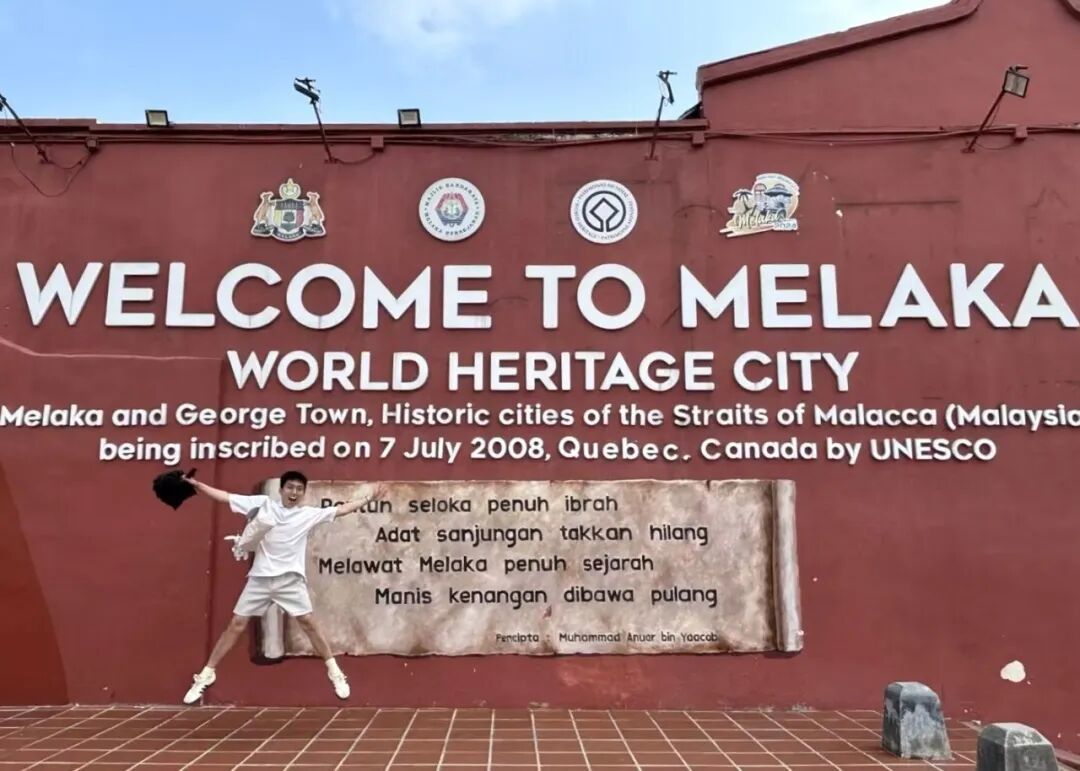
After weeks of careful planning, Goh, accompanied by teachers from the centre, led a group of CUHK-Shenzhen students to Malaysia during the summer. They visited Malaysian schools to deliver lessons on extracurricular topics and met with Malaysian Chinese entrepreneurs, listening to their stories of struggle, resilience, and roots in Southeast Asia.
经过数周的周密策划,康栋与实践中心的老师们带领了一群同学在夏天前往马来西亚。他们走进当地学校、开展课外课程,并拜访了马来西亚华裔企业家,倾听他们在东南亚拼搏、坚韧、与扎根的故事。
Over 13 days, the group immersed themselves not only in customs and traditions, but also in the rich, often overlooked narratives of diaspora life.
为期13天的行程内,师生们不仅沉浸在当地的民俗传统中,更触碰到了那些丰富、却常被忽视的侨民生活故事。
“It’s an important bridge between Chinese and Malaysian cultures,” Goh says. “This experience will not only foster a more open and inclusive campus culture, but also serve as a foundation for promoting a truly multicultural society.”
“这是中马文化间的重要纽带。”康栋表示,“这段经历,不仅将营造更加开放与包容的校园文化,更将为构建真正多元的社会奠定基石。”
Goh admits he is not naturally competitive. Yet, with so many talented and hardworking students at CUHK-Shenzhen, the academic atmosphere inevitably becomes rigorous.
康栋坦言自己并非天生好胜。但在精英云集的校园里,学业竞争难免激烈。
“I struggled at first,” he says. “But I was lucky to meet friends who reminded me that ‘卷’ (juǎn), the pressure to outperform others, is not the only path to success. They encouraged me to find my own rhythm and define success on my own terms.”
“起初我也很挣扎,”他说,“但我很幸运遇到了一些朋友,他们提醒我,‘卷’(必须胜过别人的压力)并非成功的唯一路径。他们鼓励我找到自己的节奏,用自己的标准去定义成功。”
The support of his friends helped Goh navigate stress, not by conforming, but by forging his own path in learning and growth.
朋友的支持帮助他克服了压力,不随波逐流,而是开辟出自己的学习与成长之路。
Goh says the greatest gift he received from CUHK-Shenzhen was the freedom to shed the weight of societal expectations.
康栋认为,母校最大的馈赠就是让他有了卸掉“社会预期”包袱的自由。
“For so long, I measured myself against others: grades, backgrounds, achievements,” he says. “I thought I had to fit in certain moulds. But what is success, really? I began asking: Does this matter to me? What kind of life do I truly want?”
“以前我总拿自己和别人比:成绩、背景、成就,”他说,“我以为我必须适应这些模式。但成功究竟是什么?我开始问自己:这对我重要吗?我真正想要的生活是什么模样?”
He came to realise that growth is rarely linear. “Sometimes you dip low; sometimes you soar. But true progress comes from within. That’s what matters.”
他意识到,成长很少是线性的。“有时你会陷入低谷,有时你会飞跃。但真正的进步源于内心,这才是最重要的。”
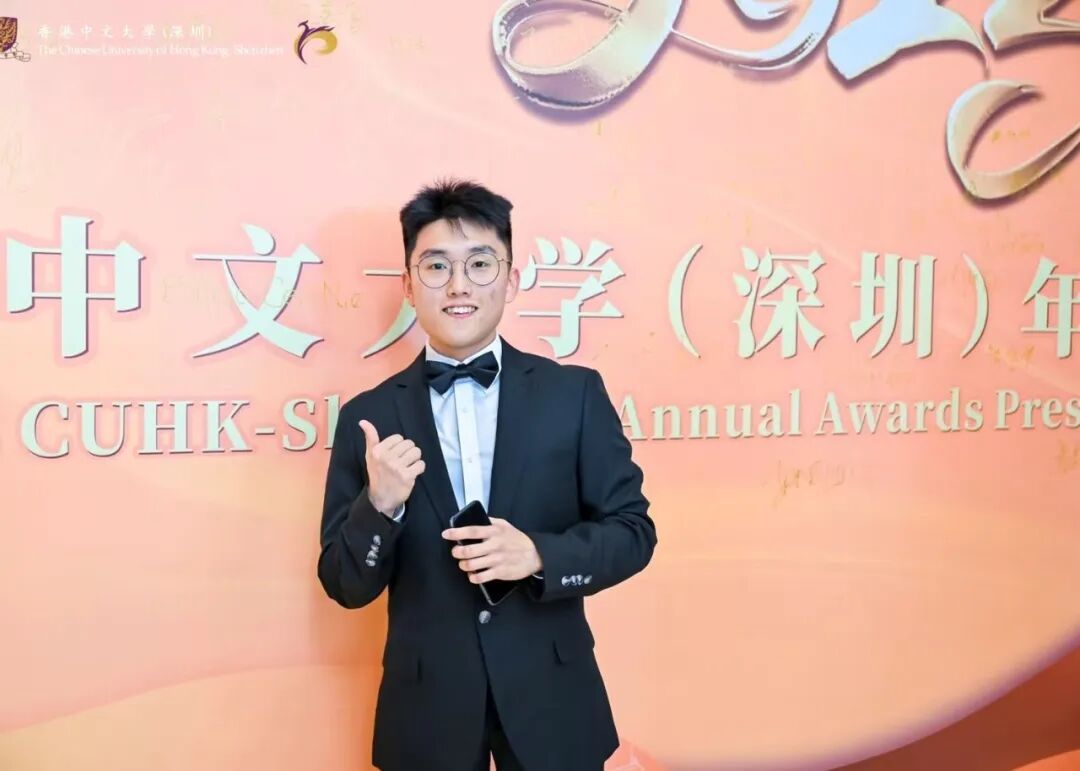
Currently, Goh is helping Jabil transform its manufacturing lines in Malaysia into automation-driven systems. He believes China is already highly advanced in this field, whereas Malaysia is still developing. This presents numerous opportunities to implement and advance automation solutions.
目前,康栋正致力于帮助捷普集团将马来西亚的生产线转型为自动化驱动系统。他认为中国在该领域已非常领先,而马来西亚仍处于发展中。这为自动化方案的落地提供了大量机遇。
With experience under his belt, Goh has bigger ambitions. Drawing on his education at the University, connections in Shenzhen (the city of innovation), and industry experience, he dreams of launching his own venture.
凭借积累的经验,康栋有了更大的抱负。依托大学的教育背景、在创新之城深圳建立的人脉以及行业经验,他梦想着开创自己的事业。
“I believe I can build something meaningful,” he says. “Something that bridges cultures, technologies, and communities. Something that reflects the values I’ve learned, and the person I’ve become.”
“我相信,我能做出点有意义的事,”他说,“能够连接文化、技术和社区,能够反映我所学价值观、体现‘我是谁’。”